
Why Some Projects Age Well

There’s a difference between projects that arrive with fanfare and those that endure.
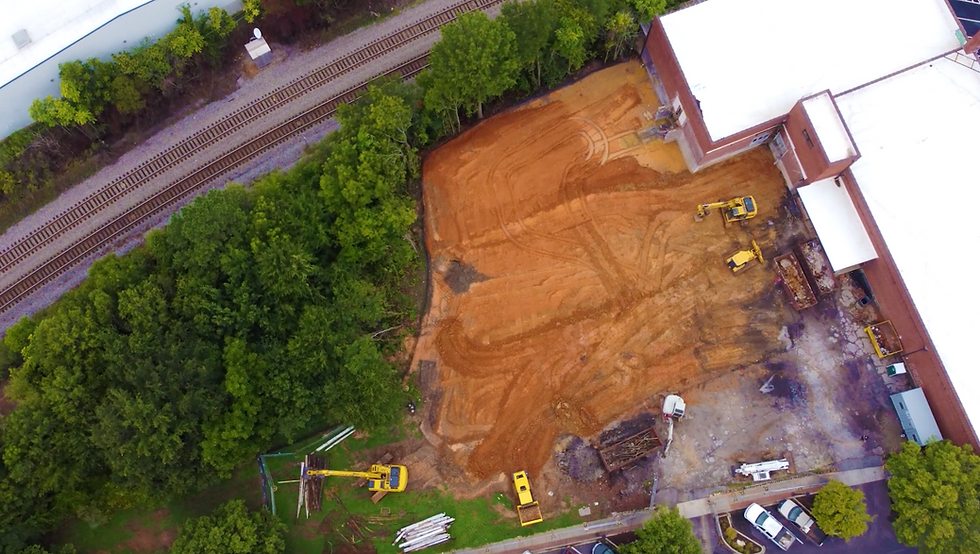
Most places announce themselves loudly at the beginning. They open to attention, novelty, and momentum, only to discover later that these things are not the same as staying power. Time is unforgiving that way. It reveals which decisions were foundational and which were cosmetic.
The projects that age well tend to share a quieter origin story.
They are shaped less by what is fashionable in the moment and more by what remains legible over time. Their success is rarely tied to a single feature or debut moment. Instead, it emerges gradually - through repeated use, familiarity, and the accumulation of ordinary days.
A place that ages well understands something fundamental: longevity is not accidental.
It is the result of proportion, judgment, and restraint. Of decisions made early with an awareness that the future will eventually test them. Of an understanding that the real measure of success is not how a place looks when it opens, but how it feels years later - once novelty has worn off and only utility, comfort, and relevance remain.
The environments that endure tend to do a few things consistently. They make room for daily life as much as for special moments. They absorb change without losing coherence. They feel intuitive rather than instructive, familiar without becoming static. Over time, they become less about being noticed and more about being relied upon.
This kind of durability rarely comes from excess. It comes from clarity.
It comes from knowing which ideas to pursue and which to set aside. From understanding that not every possibility improves a place, and that cohesion often matters more than range. From recognizing that the strongest settings are those that allow people to return again and again without requiring reinvention.
In cities and towns alike, the places that last eventually fade into the background, not because they are forgettable, but because they are embedded. They become part of how people orient themselves, part of the mental map of everyday life. Their success is quiet, cumulative, and unmistakable in hindsight.
This is the lens through which Oregon Station has been approached.
Not as a moment to be captured, but as a place to be lived with. One designed to absorb time, use, and familiarity without losing its clarity. A setting composed with the understanding that the truest measure of success will be revealed slowly, through return rather than arrival.
Projects that age well are rarely the loudest ones at the start.
They are the ones that remain.


This perspective on longevity feels spot on—true success in design is about lasting utility, not just initial wow factor. https://heartopiagame.net